
What is Gambling?
Gambling is the act of wagering something of value on an event with an uncertain outcome, with the primary intent of winning additional money or material goods. It can take many forms, from betting on sports events to playing games in a casino. The thrill of the game comes from the uncertainty of the outcome and the potential for financial gain. For beginners, understanding this fundamental concept is essential to navigate the gambling landscape effectively. One exciting option worth exploring is ice-fishing-games.com, which offers various engaging games.
The allure of gambling often lies in the excitement and adrenaline rush it provides. However, it is crucial to approach gambling with a clear understanding of the risks involved. Each type of gambling has its own rules and strategies, which can influence the odds of winning. By familiarizing oneself with these aspects, newcomers can make more informed decisions about their gaming experiences.
Types of Gambling
Gambling can be broadly categorized into two types: games of chance and games of skill. Games of chance, such as slot machines and roulette, rely heavily on luck. Players have little to no control over the outcome, making these games purely reliant on chance. Conversely, games of skill, such as poker and blackjack, allow players to utilize strategies and skills to influence their chances of winning.
Understanding the difference between these types is vital for beginners. It allows players to select games that align with their comfort levels and expertise. For those new to gambling, starting with games of chance can be less intimidating, while more experienced players may prefer the strategic elements found in skill-based games, enhancing their overall high roller experiences.
Understanding Odds and Payouts
Odds are a crucial element in gambling, as they determine how likely an event is to occur and the potential payout associated with a bet. Different types of gambling offer varying odds, which can significantly affect a player’s chances of winning. It is essential for beginners to grasp how to read and understand these odds, as they directly impact potential returns.
Payouts also vary widely across different gambling formats. Understanding payout structures helps players make informed decisions about where to place their bets. For instance, higher risk bets may offer larger payouts, while safer bets tend to yield smaller returns. Balancing risk and reward is a key strategy in gambling.
Setting a Budget
One of the most important aspects of gambling, especially for beginners, is setting a budget. Establishing a financial limit helps players avoid overspending and keeps gambling enjoyable. It is essential to only gamble with money that can be afforded to lose, ensuring that it remains a form of entertainment rather than a financial burden.
Creating a budget involves assessing one’s finances and determining how much can be allocated for gambling activities. Additionally, tracking wins and losses can provide valuable insights into gambling behavior and help maintain discipline. Sticking to a budget allows players to enjoy the thrill of gambling without the stress of financial strain.
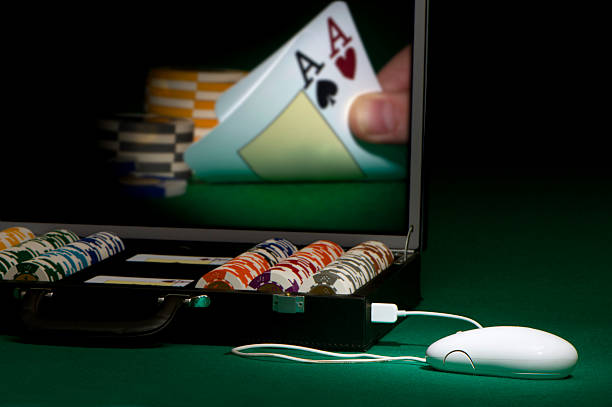
Exploring Online Gambling
With the rise of technology, online gambling has become increasingly popular. Many beginners find online platforms more accessible than traditional casinos. These platforms often offer a wide variety of games and betting options, making it easier to find something that suits personal preferences. Additionally, they provide the convenience of playing from the comfort of one’s home.
However, beginners should be cautious when exploring online gambling. It is crucial to choose reputable sites that prioritize safety and fairness. Familiarizing oneself with the terms and conditions, as well as the available payment methods, can enhance the overall gambling experience. Online gambling can be a fun and engaging way to explore this exciting world.
